

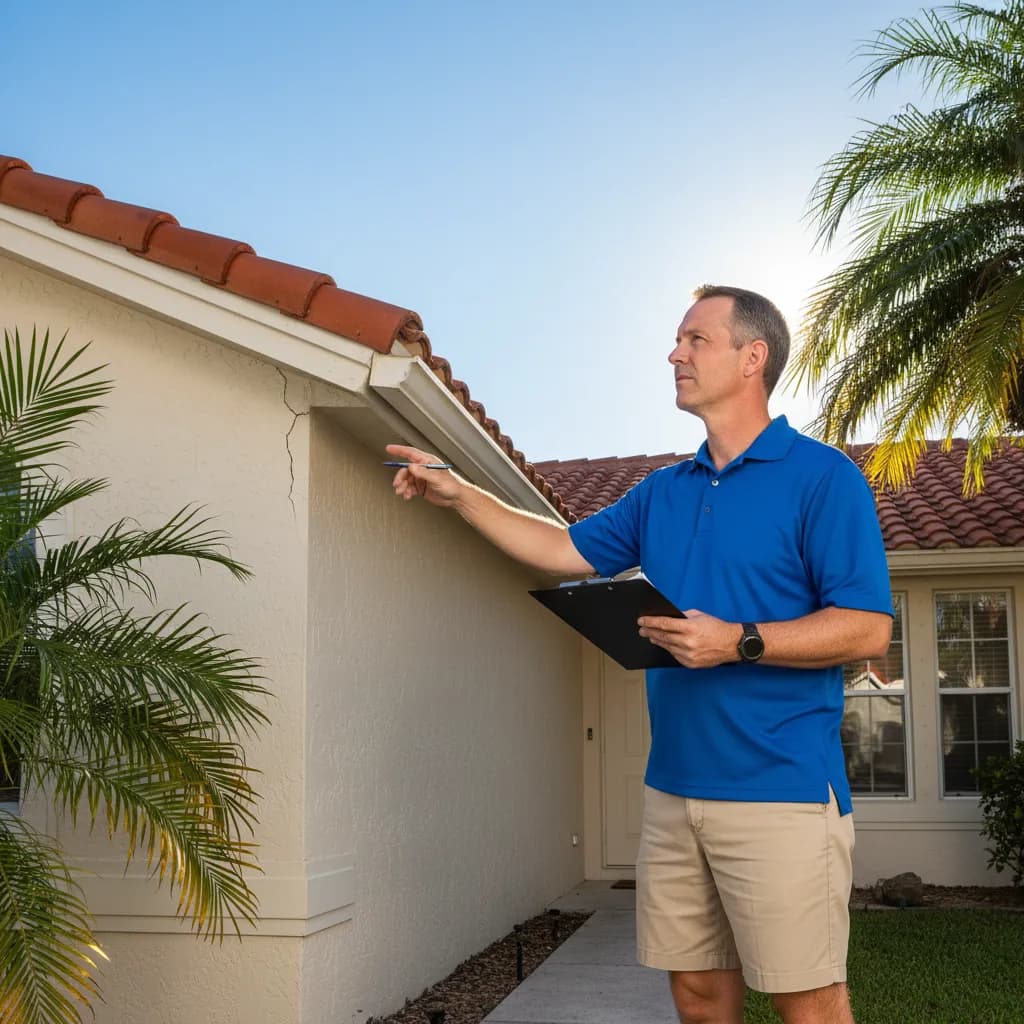
Buying a home with an FHA loan in Florida comes with one critical requirement many buyers overlook: the property itself must qualify — not just the borrower.
FHA mortgages require homes to meet minimum property standards designed to ensure the property is safe, secure, and structurally sound. These rules apply statewide in Florida and are enforced during the FHA appraisal process. Before reviewing property standards, make sure you meet the FHA borrower eligibility requirements and confirm the FHA loan limits for your county.
Check Your Florida FHA Loan Eligibility
What Are FHA Minimum Property Standards?
FHA minimum property standards are baseline requirements set by HUD (U.S. Department of Housing and Urban Development) to protect both buyers and lenders.
In Florida, a home financed with an FHA loan must meet three core criteria:
- Safety — The home must be free of hazards that could endanger occupants (electrical, roofing, structural, environmental).
- Security — The property must protect residents from intrusion, exposure, and environmental risks.
- Soundness — The home must be structurally stable, weather-tight, and capable of long-term occupancy.
If a property fails to meet these standards, repairs are required before closing — or the loan will be denied. In many cases, an FHA 203(k) renovation loan can finance the required repairs as part of the mortgage.
FHA Minimum Property Standards Checklist (Florida)
FHA requires homes to be safe, sound, and sanitary. Appraisers note deficiencies; required repairs must be completed before closing (or escrowed where allowed).
Roof and Exterior
Older tile roofs and flat roofs are closely scrutinized, especially for insurance eligibility.
- Roof must prevent moisture intrusion
- No active leaks or missing shingles/tiles
- Remaining roof life typically 2+ years
- Gutters/downspouts functional
- No exposed or rotted fascia/soffits
- Exterior paint intact (no peeling or chipping)
Electrical Systems
Outdated panels (e.g., Federal Pacific, Zinsco) often trigger repair or replacement.
- Safe, functional electrical service
- No exposed wiring or missing outlet covers
- Proper grounding
- No double-tapped breakers (where unsafe)
- All outlets and switches operational
HVAC / Mechanical
Central AC is not required, but if present, it must work.
- Permanent heating system required
- System must be operable at appraisal
- No safety hazards (gas leaks, faulty flues)
- Window units allowed only if permanent heat exists
Plumbing and Water
Private wells require water quality testing in some cases.
- Functional hot and cold water
- No active leaks
- Working water heater with TPR valve
- Adequate water pressure
- Proper drainage
Foundation and Structure
- No significant cracks or movement
- Floors level and stable
- Walls and ceilings intact
- No evidence of settlement affecting safety
Windows, Doors, and Egress
- All windows intact and operable
- At least one egress window per bedroom
- Exterior doors lock and seal properly
Health and Safety
- No exposed lead-based paint (pre-1978 homes)
- No mold-like substances causing health concern
- No trip hazards
- Handrails on stairways with 3+ steps
Pest / Wood-Destroying Organisms
Termite inspections are extremely common and often lender-required.
- No visible termite or WDO damage
- Structural wood must be sound
Check Your Florida FHA Loan Eligibility
Florida-Specific FHA Issues to Watch
Unique Florida considerations such as insurance availability, flood zones, termites, and condo approval rules.
Insurance Availability
- Home must be insurable at standard rates
- Roof age and condition can affect approval
- Citizens Insurance may be required
Flood Zones
- Flood insurance required if in a Special Flood Hazard Area
- Appraiser verifies flood map placement
Termites and Moisture
- Active termites mean mandatory treatment
- Moisture intrusion issues must be resolved
Condos (Florida-Specific)
- FHA condo approval or spot approval required
- HOA insurance and reserves reviewed
- Florida condo laws make approvals stricter
FHA vs Conventional Property Standards in Florida (Quick Comparison)
| Feature | FHA Loan | Conventional Loan |
|---|---|---|
| Safety standards | Stricter minimum property standards | More flexible (varies by lender) |
| Cosmetic issues | Typically ignored | Typically ignored |
| Roof life required | Usually 2+ years remaining | Lender discretion |
| Repairs before closing | Often required if safety/soundness issues exist | Less common; depends on lender/appraisal |
| Best for | First-time buyers or flexible credit/down payment | Buyers with stronger credit and cleaner properties |
Seller Negotiation Tips for FHA Repairs
Practical strategies to help buyers and agents negotiate FHA-required repairs without derailing the deal.
- Focus on Health and Safety — Explain to sellers that FHA repairs are non-negotiable lender rules, not buyer preferences.
- Request Repairs Instead of Credits — FHA does not allow repair credits for required items. Repairs must be completed or escrowed.
- Use Repair Escrows (When Allowed) — For minor items (excluding safety issues), lenders may allow repair escrows — ask early.
- Get Contractor Estimates Fast — Providing clear, low-cost repair estimates helps sellers agree quickly.
- Add FHA Repair Language to Contracts — Protect buyers by confirming seller cooperation with FHA repairs in writing.
Final Thoughts: FHA Property Standards in Florida
FHA minimum property standards are not meant to block buyers — they are designed to protect them.
In Florida's unique climate, these rules help ensure homes are:
- Safe from moisture and mold
- Structurally sound
- Insurable and livable long-term
Understanding these standards upfront helps buyers avoid delays, renegotiations, or failed contracts. First-time buyers should also explore Florida grants and down payment assistance programs to reduce out-of-pocket costs.
If you are buying with an FHA loan, the smartest move is to review the property early, anticipate FHA repair issues, and work with an FHA-experienced lender.
Check Your Florida FHA Loan Eligibility
Frequently Asked Questions
What are FHA minimum property standards in Florida?
What happens if a property fails FHA inspection?
Can sellers refuse FHA-required repairs?
Are termite inspections required for FHA loans in Florida?
Is FHA harder for condos in Florida?
Ready to Get Started?
Check your eligibility in under 2 minutes. No credit pull, no obligation.
Get our Florida updates in your Google feed
Add Make Florida Your Home as a preferred source to see our rate, grant, and program updates more often in Google Search.