

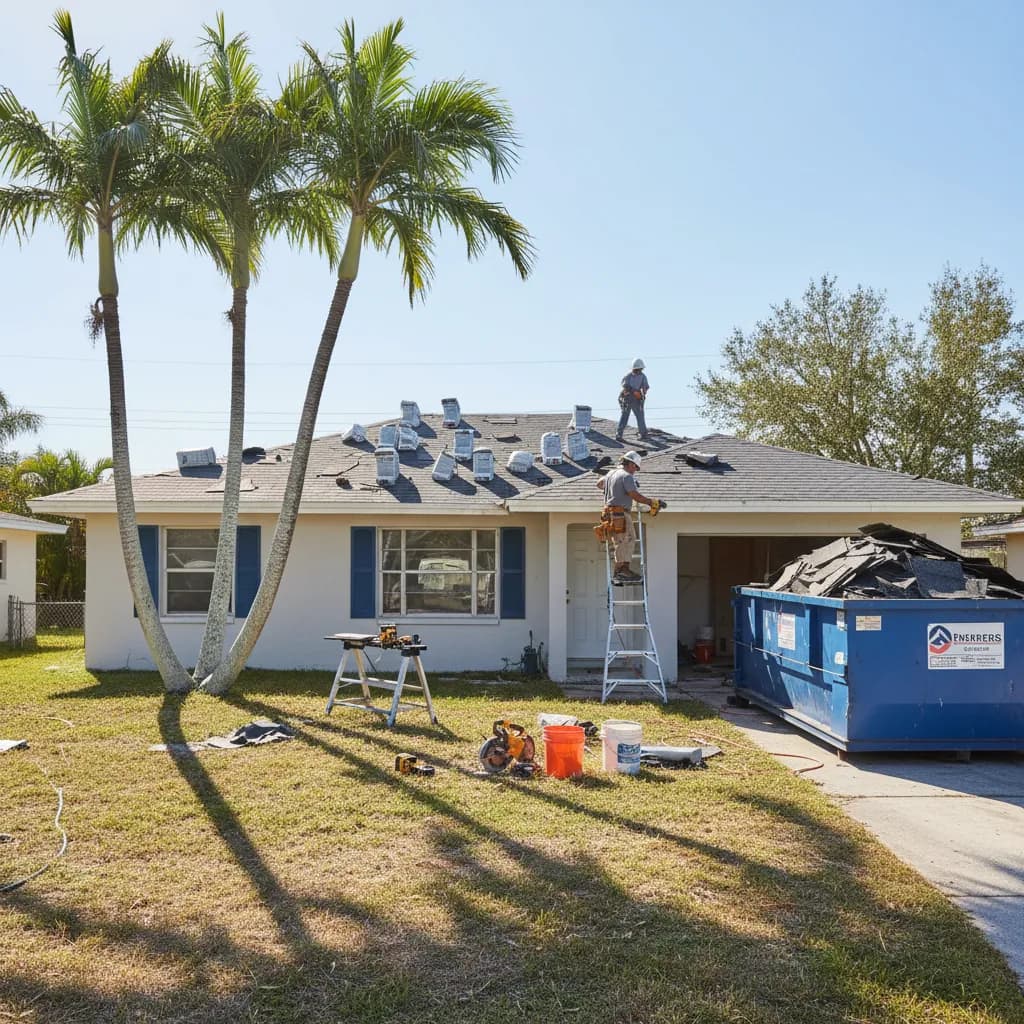
An FHA 203(k) loan lets Florida homebuyers purchase or refinance a home and finance renovations in a single mortgage.
It's designed for properties that need repairs — making fixer-uppers, older homes, and storm-damaged properties easier to buy without using cash or multiple loans.
Check Your Florida FHA Loan Eligibility
What Is an FHA 203(k) Loan?
The FHA 203(k) is a government-backed renovation mortgage insured by the Federal Housing Administration.
Instead of buying a home and taking out a separate construction loan, the 203(k) rolls the purchase price and renovation costs into one FHA loan.
After closing, renovation funds are held in an escrow account and paid out as work is completed. This structure helps buyers avoid high-interest short-term renovation loans and makes "fixer-uppers" financeable when they wouldn't qualify for a regular FHA loan.
This program is especially popular in Florida, where many homes need:
- Roof repairs
- Insurance-related upgrades
- Electrical or plumbing updates
- Hurricane mitigation improvements
Types of FHA 203(k) Loans
Choose the right 203(k) type based on project size.
Standard FHA 203(k)
Use Standard 203(k) when the project is more complex — structural repairs, additions, major rebuilding, or extensive rehab.
This version typically requires a 203(k) consultant who reviews the scope of work, helps manage draws, and supports compliance. It's slower and more document-heavy, but it unlocks bigger renovations.
Limited FHA 203(k) (formerly Streamline)
Limited 203(k) is designed for non-structural upgrades (roof replacement, flooring, paint, appliances, minor kitchen/bath updates).
It's usually faster and simpler, and often doesn't require a consultant — making it a popular option for Florida homes that are "almost financeable" but need a handful of repairs.
Check Your Florida FHA Loan Eligibility
What Repairs Are Allowed With an FHA 203(k)?
Eligible improvements include:
- Roof replacement
- HVAC, plumbing, electrical upgrades
- Kitchen and bathroom remodels
- Flooring and interior paint
- Window and door replacement
- Accessibility improvements
- Energy-efficient upgrades
- Termite damage repairs
- Hurricane mitigation features (Florida-specific)
Luxury items like pools, outdoor kitchens, or landscaping upgrades are not allowed.
FHA 203(k) Eligibility Requirements in Florida
To qualify, you must:
- Use the home as a primary residence
- Meet FHA credit and income guidelines
- Purchase a property that needs eligible repairs
- Work with licensed contractors
- Complete renovations within FHA timelines
Minimum down payment is typically 3.5%, based on the after-improved value of the home.
Check Your Florida FHA Loan Eligibility
Florida-Specific FHA 203(k) Considerations
Florida issues that commonly affect approvals, budgets, and timelines.
Insurance & Roof Reality (Biggest Florida Factor)
Florida insurance can make or break a deal. A 203(k) is useful when the home is insurable after a roof replacement or mitigation upgrades. Plan early: get roof quotes quickly and confirm insurability assumptions upfront.
Flood Zones & Water Risk
If the home is in a flood zone, you may need flood insurance, and renovation work might need to align with local floodplain rules. Budget for possible elevation-related constraints and permits.
Termites & Wood-Destroying Organisms
Termite treatment and repairs are common 203(k) line items in Florida. If there's active infestation or damage, be prepared for documentation and potentially additional inspections.
Condos (Often Harder in Florida)
Condo eligibility is more complicated due to HOA insurance, reserves, and project requirements. Even with a 203(k), the condo itself still must meet lender/FHA pathways.
FHA 203(k) Loan Limits in Florida
Loan limits are based on FHA county limits and the after-improved value of the property. Your maximum FHA 203(k) loan amount is generally determined by the lesser of:
- The FHA loan limit for the county where the property is located, or
- The appraised value of the home after renovations are completed, plus allowable fees
Because Florida has both standard-cost and high-cost counties, loan limits can vary significantly. See the full FHA loan limits by Florida county — counties such as Miami-Dade, Broward, Palm Beach, and Monroe typically allow higher FHA limits than most inland counties.
Working with a lender experienced in Florida 203(k) loans is critical to structure the purchase price, repair budget, and down payment correctly without exceeding county limits.
Check Your Florida FHA Loan Eligibility
FHA 203(k) vs FHA Standard Loan
When you need 203(k) instead of a regular FHA loan.
| Feature | FHA 203(k) | Standard FHA |
|---|---|---|
| Renovations included | Yes | No |
| Buy fixer-upper | Yes | Often no |
| One loan, one closing | Yes | Yes |
| Consultant required | Sometimes | No |
| Timeline | Longer | Faster |
Pros & Cons of FHA 203(k) Loans
The tradeoff — flexibility vs. complexity.
Pros
- Finance repairs with one loan
- Potentially buy below market and build equity through improvements
- Solve common Florida issues (roof/insurance, deferred maintenance)
- Low down payment — and can be combined with Florida down payment assistance programs
Cons
- More documents (scope, bids, draws)
- Longer closing timelines
- Contractor requirements and scheduling risk
- Renovation funds are controlled through escrow/draws, not handed to the borrower
Step-by-Step: How the FHA 203(k) Process Works
What actually happens from pre-approval to final draw.
- Get FHA 203(k) pre-approved
- Find a home needing repairs
- Obtain licensed contractor bids
- Appraisal based on after-improved value
- Close on the loan
- Renovation funds released in stages
- Repairs completed and inspected
Is an FHA 203(k) Right for You?
If you're buying a Florida home that needs repairs — or losing deals due to FHA inspection issues — the 203(k) loan can be a powerful solution.
It's especially useful in competitive markets where move-in-ready homes are overpriced.
Check Your Florida FHA Loan Eligibility
Frequently Asked Questions
What is an FHA 203(k) loan in Florida?
What is the difference between a Limited 203(k) and a Standard 203(k)?
What repairs are allowed with an FHA 203(k) loan?
Can I live in the home during 203(k) renovations?
How long do FHA 203(k) renovations take in Florida?
Ready to Get Started?
Check your eligibility in under 2 minutes. No credit pull, no obligation.