

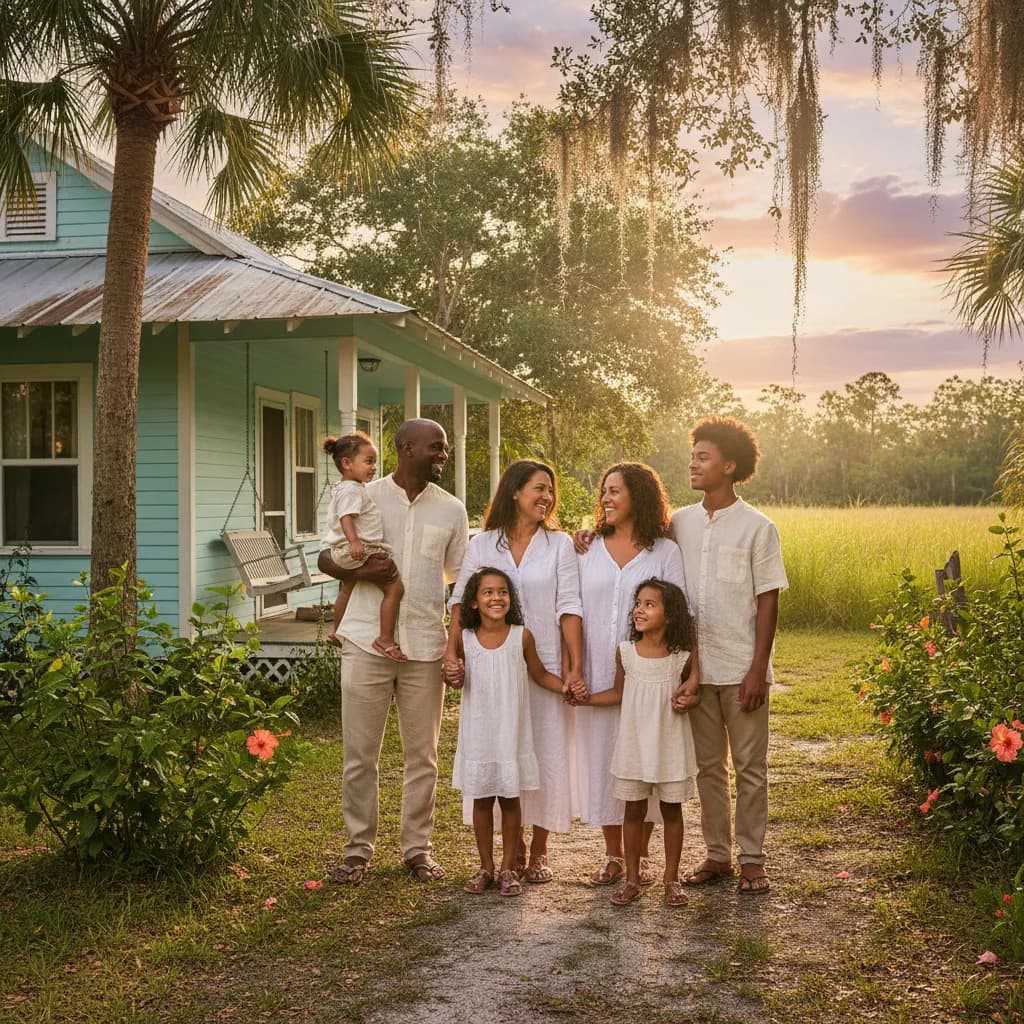
Tribal housing programs can be a valuable option for some Florida homebuyers, especially those seeking affordability assistance or alternative qualification paths. However, these programs work differently from traditional mortgages and often come with unique eligibility rules, ownership structures, and buyer protections.
Check Your Home Purchase Eligibility
What Are Tribal Housing Programs?
Tribal housing programs are typically overseen by federally recognized tribes or tribal housing authorities. Their primary goal is to promote long-term housing stability and affordability for eligible households.
Unlike traditional mortgages, these programs may offer subsidies, alternative qualification standards, or affordability protections that are designed to keep housing costs manageable over time. For Florida homebuyers, availability depends on the specific tribe, program rules, and property location. Tribal housing is just one of many assistance options — our complete guide to Florida homebuyer grants and programs covers the full range of resources available statewide.
How Tribal Housing Programs Work in Florida
In Florida, tribal housing programs may operate differently depending on whether the property is located on tribal trust land or fee-simple land.
Key features may include:
- Reduced or subsidized down payment requirements
- Flexible income or credit guidelines
- Owner-occupancy requirements
- Resale or appreciation limits to preserve affordability
Eligibility Requirements Florida Buyers Should Expect
Eligibility for tribal housing programs can include factors beyond income and credit:
- Tribal membership or affiliation (in some programs)
- Household income limits (see Florida housing income and purchase price limits for common thresholds)
- Primary residence occupancy
- Participation in housing counseling or education
Check Your Home Purchase Eligibility
Buyer Protections in Tribal Housing Programs
Well-structured tribal housing programs often include buyer protections such as:
- Clear written disclosures
- Defined resale and exit options
- Counseling or education requirements
- Program oversight by recognized housing authorities
Tribal Housing Programs vs Traditional Mortgage Loans
Compared to FHA, VA, and conventional loans, tribal housing programs may:
- Offer lower upfront costs
- Provide alternative qualification options
- Include resale or occupancy restrictions not found in traditional loans
| Feature | Tribal Housing Programs | Traditional Mortgages |
|---|---|---|
| Oversight | Federally recognized tribal authorities | Banks and federal regulators |
| Buyer Protections | Program-specific covenants and resale rules | Federal lending laws |
| Down Payment | Often reduced or subsidized | Typically 3% to 20% |
| Credit Flexibility | More flexible in some programs | Standard credit requirements |
| Ownership Structure | May include land-use or resale restrictions | Fee-simple ownership |
| Availability | Limited to eligible areas and buyers | Widely available |
When a Tribal Housing Program May Make Sense
A tribal housing program may be a good fit if you:
- Qualify under the program's eligibility rules
- Value affordability assistance over resale flexibility
- Plan to occupy the home long-term
- Understand and accept any resale or occupancy restrictions
Final Thoughts for Florida Homebuyers
Tribal housing programs can be safe and beneficial when they are well-regulated, transparent, and aligned with a buyer's long-term goals. Before committing to any program, make sure you understand the general requirements to buy a house in Florida so you can compare tribal housing terms against standard benchmarks. Buyers exploring specialized assistance may also want to review Florida housing grants for disabled homebuyers, which cover additional programs designed for specific populations. By comparing all available options and reviewing program details carefully, buyers can choose the housing path that best fits their financial situation and future plans.
Frequently Asked Questions
Are tribal housing programs legal in Florida?
Do tribal housing programs in Florida use FHA loans?
Is my ownership interest protected under Florida law?
Can ITIN holders use tribal housing programs in Florida?
How are tribal housing programs different from rent-to-own in Florida?
Ready to Get Started?
Check your eligibility in under 2 minutes. No credit pull, no obligation.
Get our Florida updates in your Google feed
Add Make Florida Your Home as a preferred source to see our rate, grant, and program updates more often in Google Search.